Pre-Sale Exterior Cleaning Tips for Glenelg Homeowners
First impressions matter when you sell a home, and in Glenelg they begin at the kerb. Buyers often decide within seconds whether a property feels well cared for, and the exterior is the first thing they see in online listings, street-front photos and open-for-inspection walk-ups. A clean, bright exterior signals that the home has been maintained, which can support stronger offers and shorten time on the market. This guide covers practical exterior cleaning steps tailored to Glenelg's coastal conditions.
Why Exterior Cleaning Matters More in Glenelg
Glenelg's position on Gulf St Vincent means homes face salt-laden sea air, sand drift, strong afternoon winds and intense summer UV. Over time, these conditions leave a visible film on walls, windows and paving. Salt deposits can dull paint, accelerate corrosion on metal https://glenelgpressurecleaning.com.au/sanitation-cleaning/ fixtures and leave white residue on glass. Coastal humidity in cooler months also encourages mould, algae and lichen on shaded walls, roof tiles and pathways.
Because these build-ups develop gradually, owners often stop noticing them. Buyers, however, see them immediately. A professional-standard clean before listing removes years of grime and shows the property at its best.
Start With a Walk-Around Assessment
Before picking up a pressure washer or booking a service, walk the property as a buyer would. Start from the street and take note of what stands out. Photograph each side of the home to spot stains, cobwebs, peeling paint and discoloured surfaces you may have overlooked.
Pay special attention to:

- Front facade, entry porch and front door
- Driveway, footpaths and paved entertaining areas
- Roof tiles or sheeting, gutters and fascia
- Windows, frames, sliding doors and flyscreens
- Fences, gates, letterbox and balustrades
- Outdoor furniture, decking and pergolas
This list becomes your cleaning plan and helps you prioritise areas that will be most visible in photography and inspections.

Pressure Washing Driveways, Paths and Paving
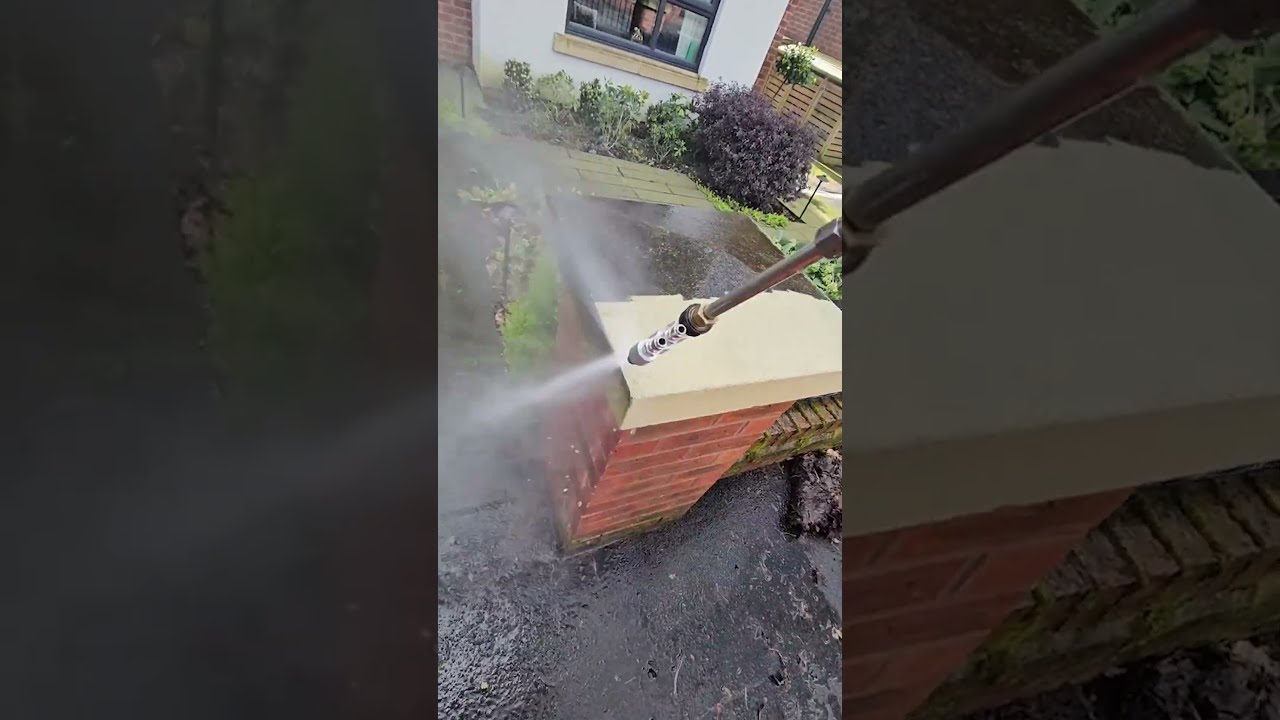
Concrete, pavers and exposed aggregate collect oil, tyre marks, moss and sand-bound dirt. Pressure washing is one of the most visually dramatic pre-sale improvements because it restores original colour and creates a crisp, fresh look from the street.
Tips for Best Results
Treat oil stains with a degreaser before washing. Use a surface cleaner attachment rather than a bare wand to avoid streaking and stripe marks. Take care with older pavers and sandstone, which are common in heritage areas near Moseley Street and the surrounding precincts. High pressure can erode soft surfaces and wash out joint sand, so lower pressure and a softer approach may be needed. Once the paving is dry, re-sand the joints and consider a quality sealer to deepen colour and resist future staining.
Soft Washing Walls, Render and Cladding
Painted render, weatherboard, brick and Colorbond cladding all respond best to a gentler method known as soft washing. It uses low pressure combined with biodegradable cleaning solutions to break down mould, algae and salt film without damaging paint or stripping mortar.
Avoid blasting walls with high pressure. It can force water behind cladding, damage render and lift paint. If your home has older lime mortar or delicate finishes, a professional assessment is a worthwhile investment before any cleaning begins.
Roof and Gutter Cleaning
A roof covered in black streaks, moss or lichen makes a home look older and neglected, even if the interior is immaculate. Buyers and building inspectors alike notice roof condition. Safe roof cleaning should be done by trained professionals, as roofs are hazardous and tiles can crack under incorrect foot placement or excessive pressure.
Gutters should also be cleared of leaves, sand and debris. Blocked gutters can cause overflow, staining on walls and water damage, which may be flagged in a pre-purchase inspection. Clean gutters and downpipes also show buyers the property has been looked after.
Windows, Glass and Salt Residue
Salt spray leaves a stubborn haze on windows, which is especially noticeable when sunlight hits the glass during inspections. Clean both sides of every window, including tracks, sills, frames and flyscreens. Pure-water or water-fed pole systems are effective for upper-storey windows and leave a streak-free finish without ladders.
Do not overlook glass balustrades, pool fencing panels and shower screens on outdoor bathrooms. These surfaces show water spotting quickly and are prominent in listing photos, particularly for homes with sea or street views.
Decks, Pergolas and Outdoor Living Areas
Outdoor entertaining is a major drawcard in South Australia, so buyers look closely at alfresco spaces. Timber decks often grey and develop mildew, while composite decking can show algae and surface stains. Clean timber with a deck wash and a soft-bristle brush or low-pressure setting, then apply oil or stain if the timber is dry and in good condition.
Wipe down outdoor furniture, barbecues and cushions. Remove cobwebs from pergola beams, eaves and light fittings. Staged, tidy outdoor areas help buyers imagine themselves living there.
Metal Fixtures, Letterboxes and Entryways
Coastal air corrodes metal quickly. Check gates, door hardware, house numbers, hinges, light fittings and balustrades for rust or tarnish. Remove light surface rust with a wire brush, treat it with a rust converter, and touch up with exterior-grade paint. Polish brass or stainless fittings, and consider replacing any items that are beyond saving. A clean, polished entry creates a strong first impression for relatively little cost.
Suggested Pre-Sale Cleaning Timeline
Planning the order of work avoids re-cleaning surfaces that get dirty again. A sensible sequence for most homes is:
- Four to six weeks before listing: book professionals for roof cleaning, soft washing and any repairs or repainting.
- Three weeks before: clean gutters, fascia, eaves and walls, working from the top of the house downward.
- Two weeks before: pressure wash driveways, paths and paving, then treat and seal where appropriate.
- One week before: clean windows, doors, outdoor furniture and fixtures, and tidy gardens and lawns.
- Photography day: sweep paths, remove leaf litter, wipe down glass and make final touch-ups.
Environmental and Council Considerations
Runoff from cleaning should not enter the stormwater system, which drains toward the coast and local waterways. Use biodegradable detergents, avoid harsh chemicals where possible, and direct wastewater onto lawn or garden areas when it is safe to do so. Professional cleaners typically use recovery or containment methods to manage runoff responsibly. If your property is in a heritage or character area, check with the local council before using any method that could alter original materials.
DIY or Professional Cleaning?
Basic tasks like sweeping, wiping down furniture and washing accessible windows are well suited to DIY. However, roof cleaning, soft washing of multi-storey walls and treatment of delicate surfaces carry safety and damage risks. Professionals bring commercial-grade equipment, appropriate chemicals and insurance, and they can often complete the work in a day. For many sellers, the cost of professional cleaning is small compared with the potential lift in buyer perception and sale price.
Final Thoughts
A thorough exterior clean is one of the most cost-effective ways to prepare a Glenelg home for sale. By addressing salt, mould, grime and corrosion, you present a property that looks fresh, cared for and ready to move into. Start with a careful assessment, follow a logical timeline, use the right method for each surface, and call in qualified professionals for high-risk or delicate work. The result is a stronger first impression, better marketing photos and greater buyer confidence from the moment they arrive at your front gate.
Glenelg Pressure Cleaning
Unit 3/2-4 Byre Ave, Somerton Park SA 5044
(08) 7282 0893